
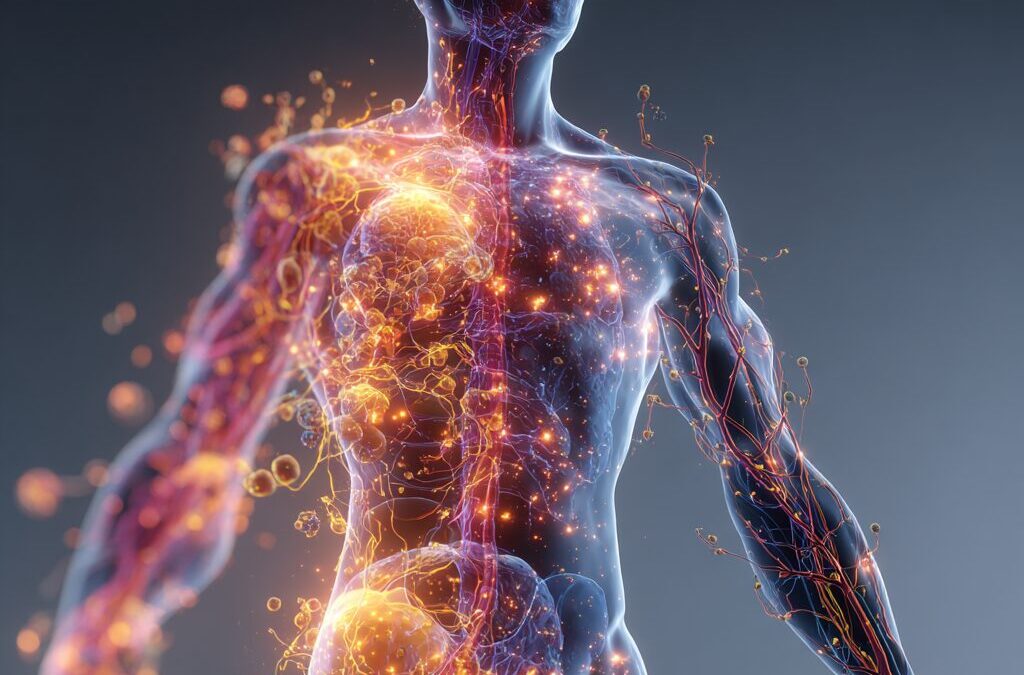
The Silent Inflammation Epidemic: How Chronic Inflammation Fuels Cancer, Heart Disease, and Aging
An in-depth, evidence-based guide to one of the most overlooked drivers of modern disease.
Introduction: The Fire That Burns Quietly
Inflammation is not inherently bad. In fact, it’s essential for survival. When you cut your finger or catch a virus, inflammation helps heal tissue and fight infection.
The problem begins when inflammation never shuts off.
This low-grade, chronic state—often unnoticed for years—is now recognized as a root cause behind:
-
Cancer
-
Heart disease
-
Diabetes
-
Neurodegeneration
-
Accelerated aging
Health authorities including the National Institutes of Health increasingly describe chronic inflammation as a systemic disease amplifier, not a standalone condition.
1. Acute vs Chronic Inflammation: A Critical Difference
Acute inflammation (good)
-
Short-term
-
Localized
-
Resolves after healing
-
Examples: infection, injury, intense exercise
Chronic inflammation (dangerous)
-
Long-lasting (months to decades)
-
Often systemic
-
Silent—no pain or obvious symptoms
-
Gradually damages healthy tissue
Think of it as a smoldering fire rather than a blaze.
2. What Causes Chronic Inflammation in Modern Life?
Chronic inflammation isn’t random. It’s driven by lifestyle, environment, and biology interacting over time.
Primary drivers:
-
Ultra-processed foods & excess sugar
-
Insulin resistance and obesity
-
Chronic stress and poor sleep
-
Sedentary behavior
-
Environmental toxins & air pollution
-
Gut microbiome imbalance
-
Smoking and excessive alcohol
-
Persistent infections or autoimmune activity
Modern life keeps the immune system constantly activated, even when no threat exists.
3. How Chronic Inflammation Fuels Cancer
Cancer doesn’t appear overnight. It develops in a biological environment—and inflammation creates fertile ground.
Key mechanisms:
-
Promotes DNA damage through oxidative stress
-
Stimulates abnormal cell growth
-
Suppresses immune surveillance
-
Encourages tumor blood vessel formation
-
Enables metastasis
Inflammatory molecules act like growth signals for malignant cells.
Researchers now describe many cancers as “wounds that never heal.”
4. Inflammation and Heart Disease: The Missing Link
Heart disease was once blamed almost entirely on cholesterol. Today, inflammation is considered the central driver.
What inflammation does to arteries:
-
Damages the endothelial lining
-
Makes plaques unstable and rupture-prone
-
Triggers clot formation
-
Accelerates arterial stiffening
Inflammatory markers are now stronger predictors of heart attacks than cholesterol alone.
This insight has reshaped cardiovascular medicine—focusing on reducing inflammation, not just lowering lipids.
5. Inflammaging: Why We Age Faster Than We Should
Scientists coined the term “inflammaging” to describe age-related chronic inflammation.
As we age:
-
Immune regulation weakens
-
Cellular debris accumulates
-
Mitochondrial efficiency declines
-
Inflammatory signaling increases
This accelerates:
-
Muscle loss
-
Cognitive decline
-
Frailty
-
Skin aging
-
Metabolic dysfunction
Inflammaging explains why many age-related diseases cluster together.
6. The Gut–Inflammation Connection
Your gut is the command center of immune activity.
An unhealthy gut:
-
Leaks inflammatory molecules into circulation
-
Activates immune cells constantly
-
Disrupts blood sugar control
-
Alters hormone signaling
Up to 70% of immune cells reside in the gut-associated lymphoid tissue.
Fix the gut → reduce systemic inflammation.
7. Biomarkers: How Doctors Detect Silent Inflammation
Chronic inflammation often has no symptoms, but it leaves fingerprints in the blood.
Common indicators:
-
High-sensitivity CRP
-
IL-6 and TNF-alpha
-
Elevated fasting insulin
-
Increased ferritin
-
Elevated triglycerides
-
Abnormal white blood cell ratios
These markers are increasingly used in preventive and functional medicine.
8. Why Chronic Inflammation Is So Dangerous
What makes inflammation especially harmful is time.
Low-grade inflammation:
-
Slowly damages organs
-
Alters gene expression
-
Weakens immune resilience
-
Disrupts metabolic balance
You don’t feel it—until disease appears.
By then, damage is already extensive.
9. Reducing Inflammation: The Most Powerful Medicine Is Lifestyle
Anti-inflammatory foundations:
-
Whole-food, nutrient-dense diet
-
Regular movement (especially walking)
-
Resistance training
-
Sleep optimization
-
Stress reduction
-
Gut-supportive nutrition
Key anti-inflammatory foods:
-
Fatty fish
-
Olive oil
-
Leafy greens
-
Berries
-
Nuts and seeds
-
Fermented foods
What fuels inflammation:
-
Sugar spikes
-
Refined carbohydrates
-
Trans fats
-
Ultra-processed foods
-
Chronic sleep deprivation
No drug is as powerful as consistent daily habits.
10. Pharmaceuticals vs Root Causes
Anti-inflammatory drugs can reduce symptoms, but they do not correct the underlying drivers.
Long-term suppression without lifestyle change may:
-
Mask disease progression
-
Create dependency
-
Cause secondary complications
Medicine works best when paired with inflammation-lowering behavior.
11. The Future of Inflammation Medicine
Emerging trends include:
-
Personalized inflammation profiling
-
AI-driven biomarker analysis
-
Targeted immunomodulation
-
Microbiome-based therapies
-
Preventive longevity medicine
The future of healthcare is inflammation management before disease.
Conclusion: Put Out the Fire Before It Spreads
Chronic inflammation is not a side effect of aging—it’s a modifiable condition.
Left unchecked, it:
-
Fuels cancer
-
Destroys arteries
-
Accelerates aging
-
Weakens immunity
But addressed early, inflammation reduction can extend healthspan, vitality, and resilience.
The most powerful medicine doesn’t come in a bottle—it comes from understanding and extinguishing the fire within.