Gut Microbiome Health: The Hidden Ecosystem That Shapes Digestion, Immunity, and Longevity
Gut Microbiome Health: The Hidden Ecosystem That Shapes Digestion, Immunity, and Longevity The gut microbiome is one of the most powerful and least understood systems in the human…
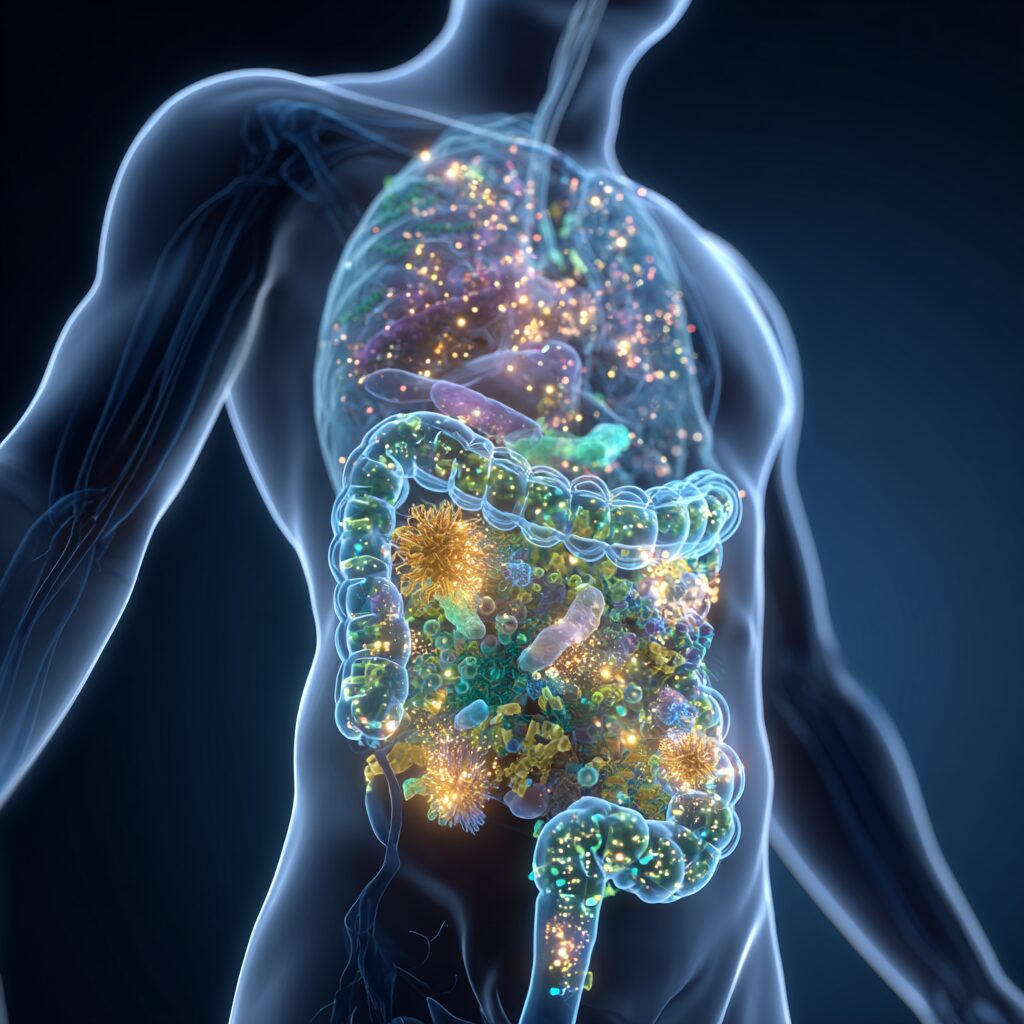
Gut Microbiome Health: The Hidden Ecosystem That Shapes Digestion, Immunity, and Longevity
Once considered irrelevant—or even harmful—these microbes are now recognized as essential partners in human health. In fact, many scientists describe the microbiome as a virtual organ, one whose health strongly predicts how well we age and how resilient we remain over time.
Digestive Health: The Foundation of Energy, Immunity, and Longevity
Digestive health is far more than a comfort issue. It is the biological foundation that determines how well your body absorbs nutrients, controls inflammation, regulates immunity, balances hormones, and maintains mental clarity as you age.
When digestion functions properly, the body receives the raw materials it needs to repair itself daily. When digestion breaks down, aging accelerates quietly—often long before disease is diagnosed. Symptoms such as bloating, reflux, constipation, diarrhea, fatigue, or brain fog are not isolated problems. They are early signals that the system responsible for fueling and protecting the body is under strain.
Understanding digestive health means understanding longevity itself.
What Is the Gut Microbiome?
The gut microbiome refers to the collective community of microorganisms living primarily in the large intestine. Each person’s microbiome is unique, shaped by genetics, diet, environment, stress, medications, and lifestyle.
A healthy microbiome is not defined by a single “good” bacterium, but by diversity, balance, and stability. When beneficial microbes dominate and coexist in harmony, digestion is efficient and inflammation remains controlled. When this balance is disrupted—a state known as dysbiosis—digestive and systemic health begin to decline.
Why the Gut Microbiome Matters So Much
1. Digestion & Nutrient Extraction
Gut bacteria help break down fibers and complex carbohydrates that the human body cannot digest on its own. In doing so, they produce short-chain fatty acids (SCFAs) like butyrate, which nourish the gut lining and reduce inflammation.
They also assist in:
-
Vitamin K production
-
B vitamin synthesis
-
Mineral absorption
-
Blood sugar regulation
Without a healthy microbiome, even a high-quality diet may fail to deliver adequate nutrition.
2. Immune System Regulation
Roughly 70% of the immune system resides in the gut. Beneficial microbes help train immune cells to distinguish between harmless substances and real threats. This process is essential for preventing chronic inflammation, allergies, and autoimmune reactions.
When microbial balance is lost, the immune system may become overreactive—contributing to inflammatory and autoimmune conditions.
3. Inflammation Control
One of the microbiome’s most important roles is regulating inflammation. Beneficial bacteria reinforce the gut barrier and produce anti-inflammatory compounds. Harmful bacteria, on the other hand, release toxins that weaken the gut lining and trigger immune activation.
Chronic, low-grade inflammation driven by gut imbalance is a major contributor to:
-
Accelerated aging
-
Cardiovascular disease
-
Joint pain
-
Metabolic dysfunction
-
Neurodegeneration
4. The Gut–Brain Axis
The gut and brain communicate constantly through nerves, hormones, and chemical messengers. This two-way communication system—known as the gut–brain axis—explains why stress affects digestion and why digestive health influences mood, cognition, and sleep.
Gut microbes help regulate neurotransmitters such as:
-
Serotonin (mood, calmness)
-
GABA (stress resilience)
-
Dopamine precursors (motivation, focus)
Imbalances in the microbiome are linked to anxiety, depression, brain fog, and cognitive decline.
Signs of an Unhealthy Gut Microbiome
Microbiome imbalance often shows up subtly at first. Common signs include:
-
Chronic bloating or gas
-
Irregular bowel movements
-
Acid reflux or indigestion
-
Food sensitivities
-
Fatigue and low energy
-
Brain fog
-
Skin issues (acne, eczema, rosacea)
-
Frequent infections
Over time, these symptoms can evolve into more serious health issues if not addressed.
What Disrupts the Gut Microbiome?
Modern life places enormous strain on microbial balance. Common disruptors include:
-
Ultra-processed foods and excess sugar
-
Low-fiber diets
-
Chronic stress
-
Poor sleep
-
Antibiotics and frequent medication use
-
Excess alcohol
-
Environmental toxins
Even short-term disruptions—such as a course of antibiotics—can significantly reduce microbial diversity.
How to Support a Healthy Gut Microbiome
1. Eat for Microbial Diversity
The most important factor in microbiome health is diet variety. A wide range of plant foods feeds a wider range of beneficial bacteria.
Focus on:
-
Leafy greens
-
Colorful vegetables
-
Berries
-
Legumes
-
Whole grains (if tolerated)
Aim for diversity rather than perfection.
2. Include Fermented Foods
Fermented foods naturally introduce beneficial microbes:
-
Yogurt (plain, unsweetened)
-
Kefir
-
Sauerkraut
-
Kimchi
-
Miso
-
Tempeh
Introduce them gradually, especially if digestion is sensitive.
3. Feed the Good Bacteria (Prebiotics)
Prebiotic fibers nourish beneficial microbes:
-
Garlic
-
Onions
-
Leeks
-
Asparagus
-
Chicory root
-
Oats
-
Green bananas
These foods help beneficial bacteria thrive and crowd out harmful strains.
4. Manage Stress
Stress directly alters gut motility and microbial balance. Practices such as walking, breathing exercises, meditation, and consistent sleep schedules have a measurable impact on gut health.
5. Use Supplements Thoughtfully
Probiotics, prebiotics, and digestive enzymes can be helpful—but they are tools, not cures. The foundation remains diet and lifestyle. Supplements work best when they support an already improving gut environment.
Medications and the Microbiome
Some medications are necessary and life-saving, but they can affect gut bacteria:
-
Antibiotics (especially broad-spectrum)
-
Acid-suppressing drugs
-
NSAIDs
When medications are needed, supporting the microbiome through diet and lifestyle becomes even more important.
Gut Microbiome Health and Longevity
Research increasingly shows that people who live longer, healthier lives tend to maintain greater microbial diversity well into old age. Their gut ecosystems remain adaptable rather than fragile.
Longevity is not about eliminating microbes—it’s about cultivating the right environment for them to support you over a lifetime.
Conclusion: Your Microbiome Is a Long-Term Investment
The gut microbiome is not something to “fix” temporarily. It is a living system that responds continuously to daily choices. Small, consistent habits—eating real food, managing stress, sleeping well, and using medications wisely—shape this ecosystem over decades.
When the microbiome is healthy, digestion improves, inflammation quiets, immunity strengthens, and the aging process slows. Supporting your gut microbiome is one of the most powerful, evidence-based strategies available for improving both healthspan and lifespan.
In many ways, taking care of your microbiome is taking care of your future.

Digestive Health: The Foundation of Energy, Immunity, and Longevity
Digestive health is far more than a comfort issue. It is the biological foundation that determines how well your body absorbs nutrients, controls inflammation, regulates immunity, balances hormones, and maintains mental clarity as you age.
When digestion functions properly, the body receives the raw materials it needs to repair itself daily. When digestion breaks down, aging accelerates quietly—often long before disease is diagnosed. Symptoms such as bloating, reflux, constipation, diarrhea, fatigue, or brain fog are not isolated problems. They are early signals that the system responsible for fueling and protecting the body is under strain.
Understanding digestive health means understanding longevity itself.
Use this information well
Bring questions, symptoms, medication concerns, and relevant measurements to a qualified healthcare professional who can interpret them in your personal context.
Related articles

eHealthHub: A Smarter Way to Explore Your Health
eHealthHub: A Smarter Way to Explore Your Health Health Guides, Interactive Tools, Medication Resources, Wellness Games and the Future of Healthcare—all in one place Health information is everywhere.…

Why Your Blood Sugar Spikes When You’re Stressed
Why Your Blood Sugar Spikes When You’re Stressed The Hidden Connection Between Stress, Cortisol, and Metabolic Health Most people think blood sugar spikes are caused only by food.…

Heart Health – What You Need to Know to Protect Your Most Vital Organ – Heart Health Guide
Heart Health – What You Need to Know to Protect Your Most Vital Organ – Heart Health Guide Heart disease remains the leading cause of death worldwide, yet…

Ozempic, Metformin & Lipitor: The Shocking Price Gap Between the U.S. and Canada
Ozempic, Metformin & Lipitor: The Shocking Price Gap Between the U.S. and Canada Imagine picking up your Ozempic prescription at the pharmacy. The pharmacist slides a receipt…